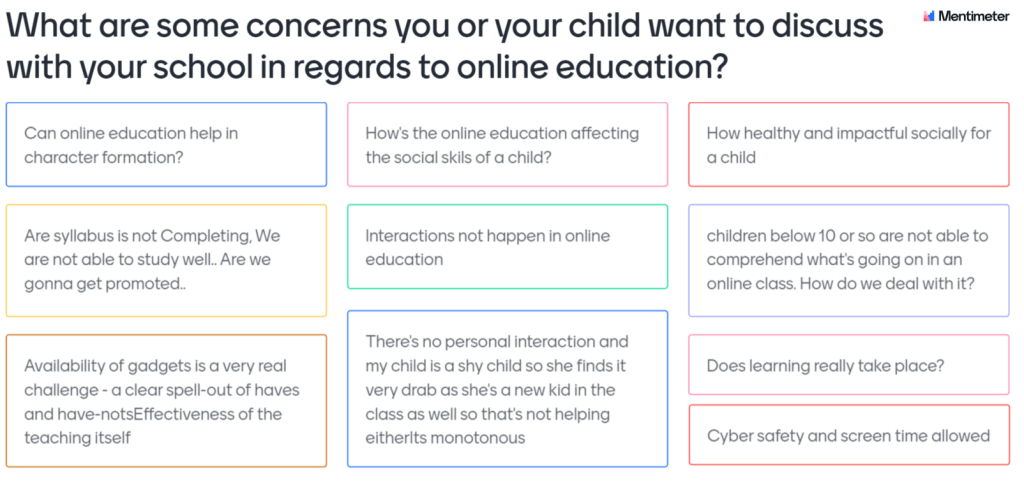
Question: As parents, what are your thoughts on online education? Does increased screentime worry you? Are there any societal beliefs that would make accepting online schooling a challenge?
When I recently asked a group of parents this question, here are the responses I gathered. These responses are echoed in by several parents across the country.
Layers of complexity are added to the pandemic when parents have to work from home, buy and share gadgets, and risk their often job security. Added to this is the the immense pressure to make the right educational decisions for your adolescent child.
To help parents of adolescents process their options and choices, I was asked to conduct a webinar for parents by Project Ummeed, the child safety and child rights wing of the non-profit, Justice and Hope.
Crisis Schooling vs. Home Schooling
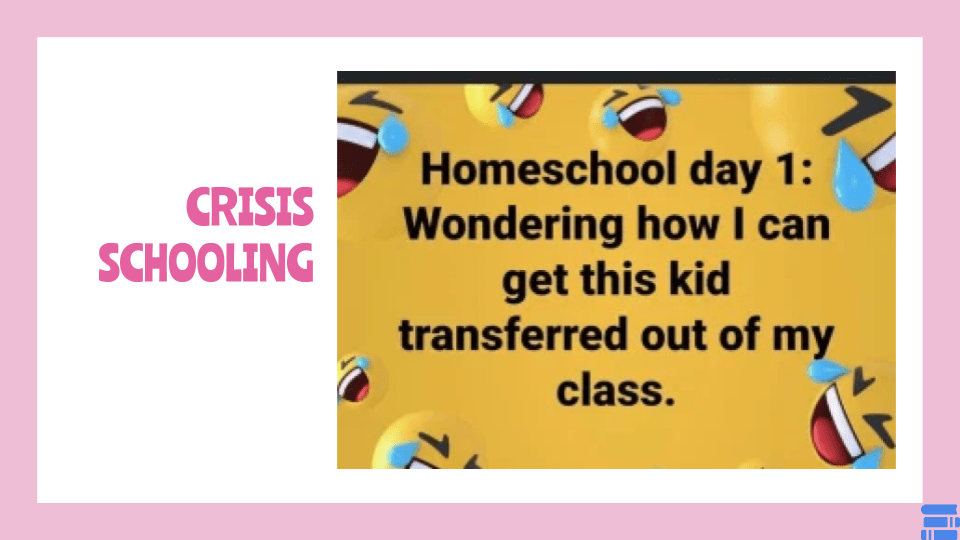
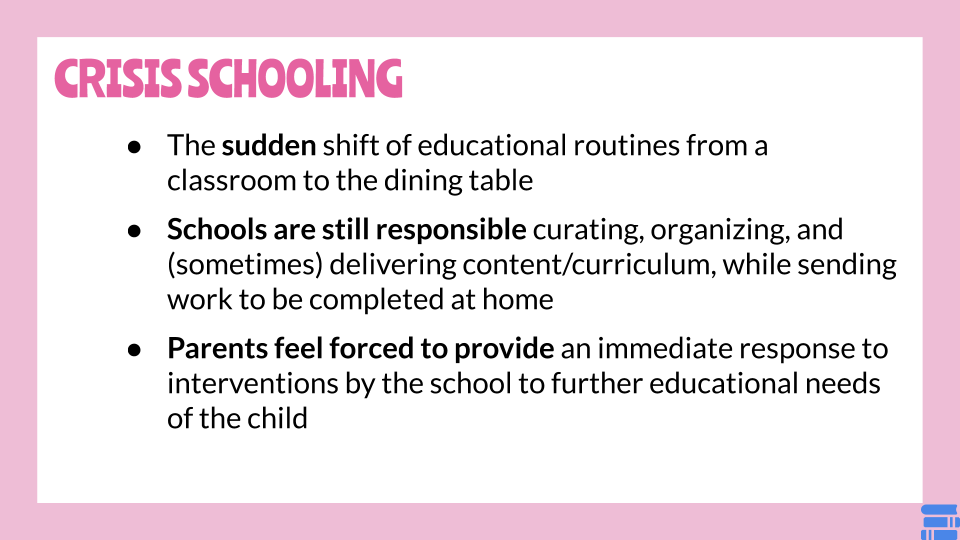
In making sense of the current educational landscape where learning has moved from traditional classrooms to the dining table, it was essential to identify the current scenario as crisis schooling. Parents have had to make several adjustments in a short period. The following slides walk parents through the definition of crisis schooling and then look at the advice given by a homeschooling mom and educator, Heather Anne.
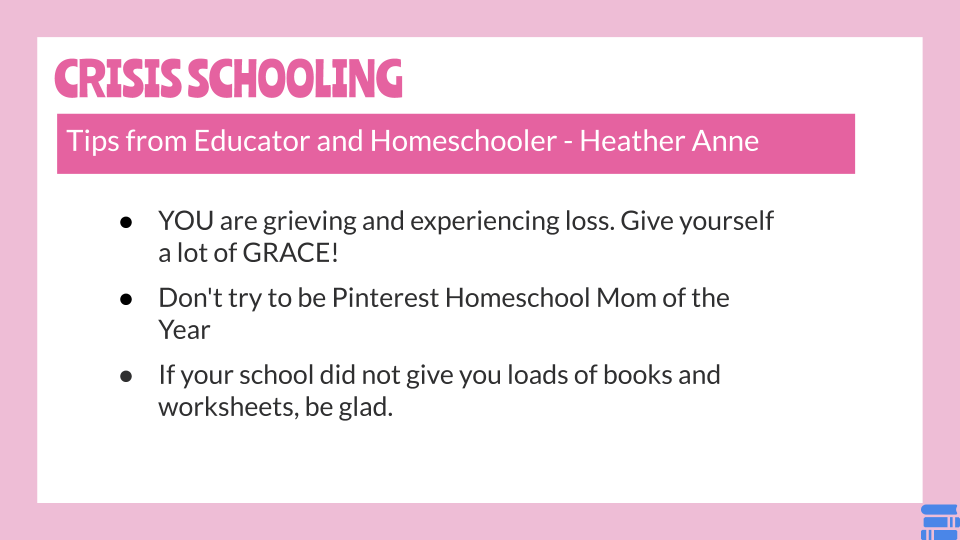
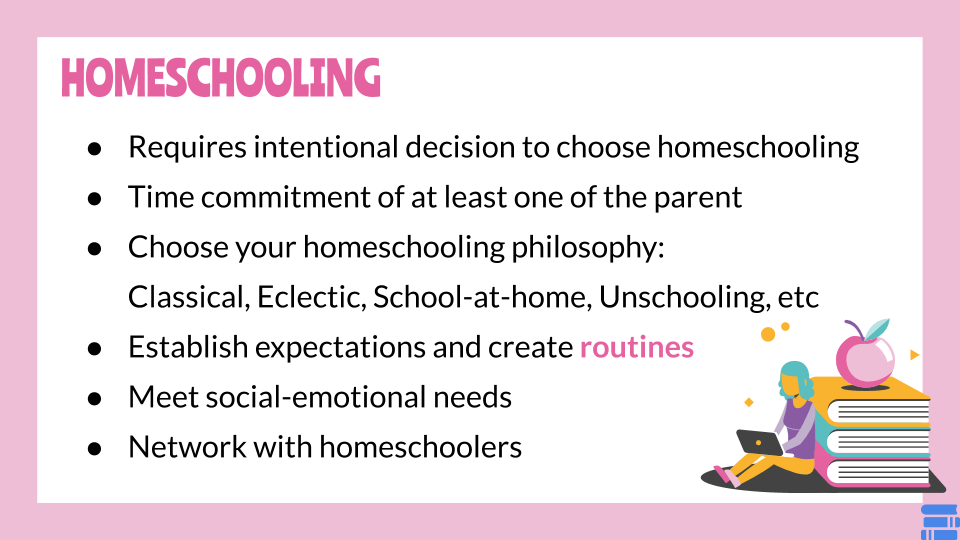
After identifying the aspects of crisis schooling and how to best cope with these changing times, I addressed the option that many parents are considering: homeschooling. Parents who home-school prepare months ahead of time. They often choose a philosophy or style of homeschooling that best suits their needs, plan social engagements, curate resources, etc. When I chose to home-school my kids, the biggest investment came in the form of my time.
Discussing these attributes would allow parents who choose to switch to homeschooling to plan accordingly.
What do our adolescent learners need?
As schools are figuring out how to improve learning during a time of crisis, there has been a shift in the way schooling is being reshaped for blended learning. In this model, even when schools reopen in brick and mortar buildings, schools will be able to switch from complete online learning to a system that incorporates classroom instruction with online learning experiences.
At my current school, we are looking at various aspects of online learning that will best suit the needs of learners, parents, and teachers in this immediate situation as well as when we reopen our classrooms. In particular, I walk parents through four specific areas that we as parents should ensure are being addressed by ourselves and the school.
- Introducing New Learning Strategies
- Prioritizing Social-Emotional Wellness
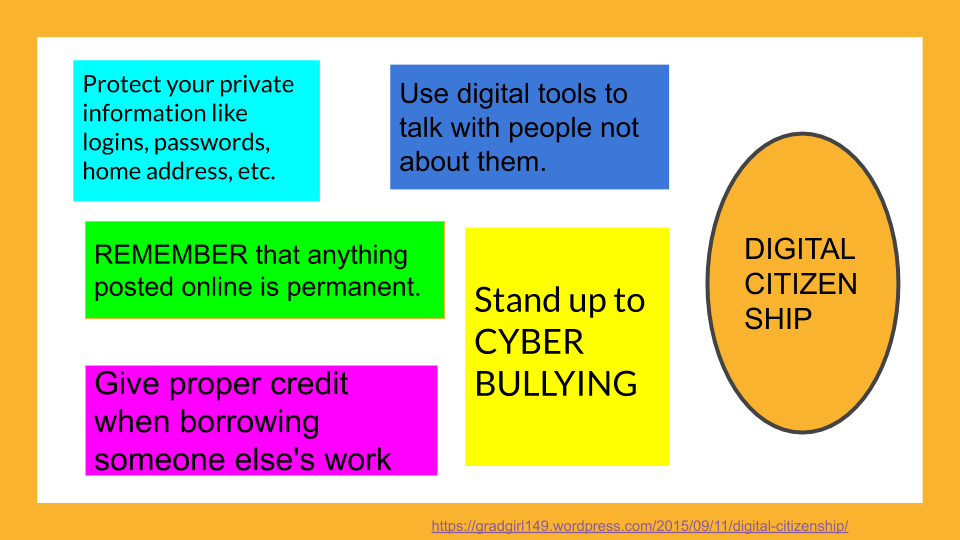
- Modeling Digital Citizenship Skills
- Including Meaningful Interactions
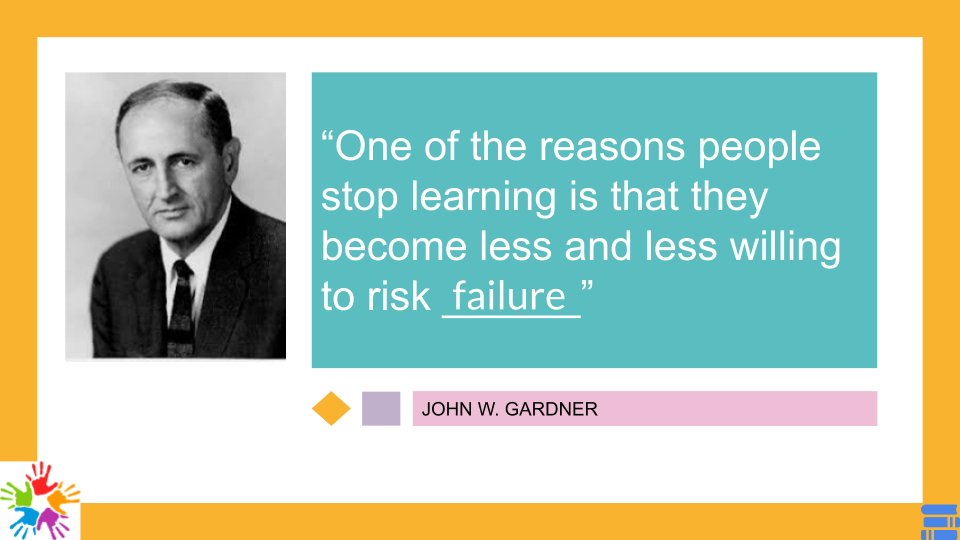
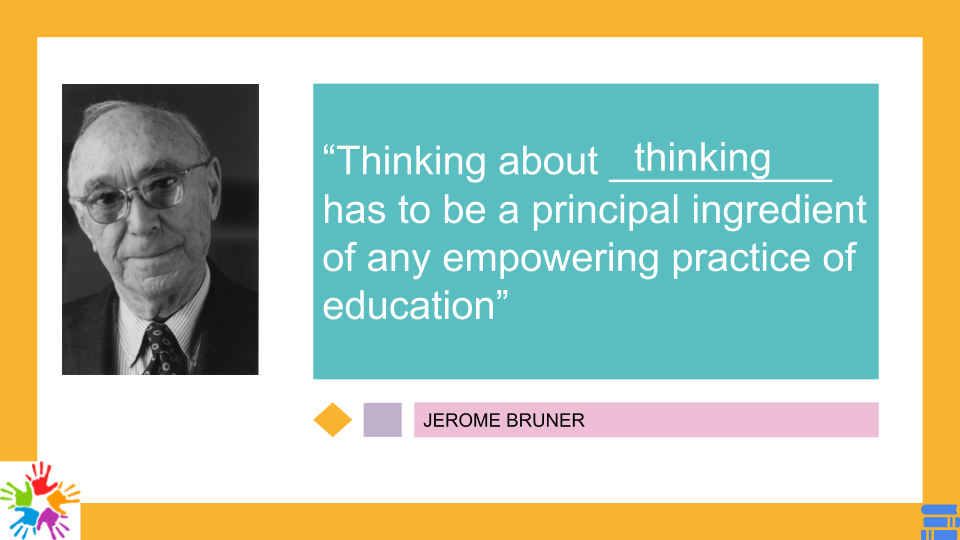
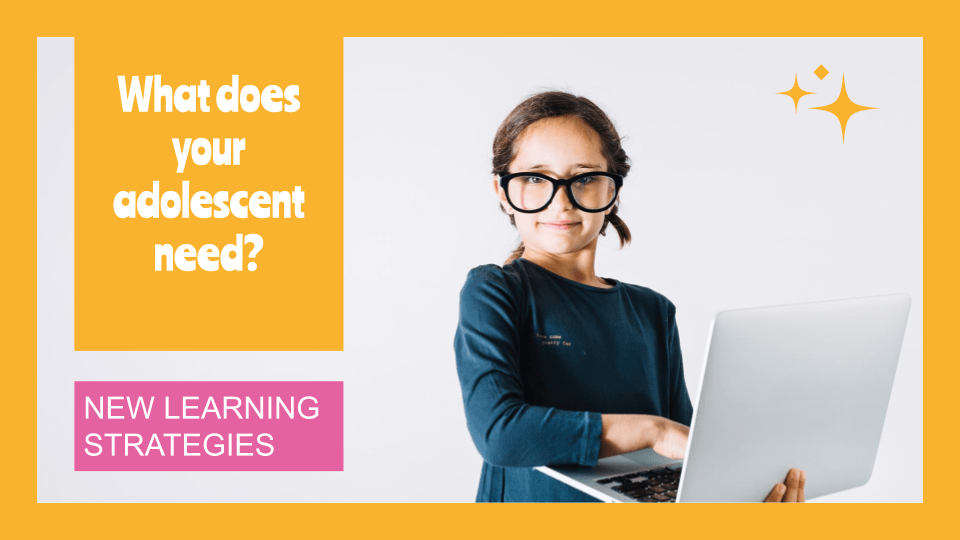
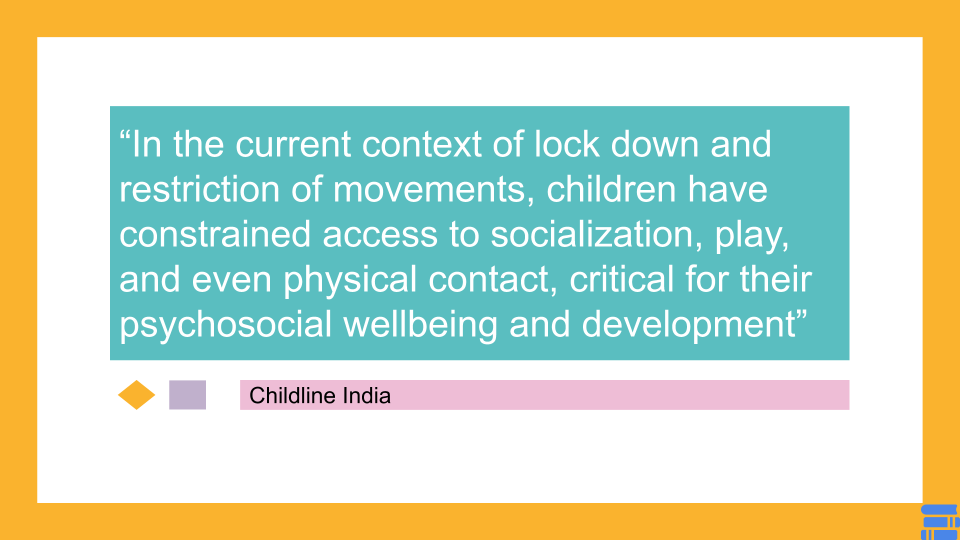
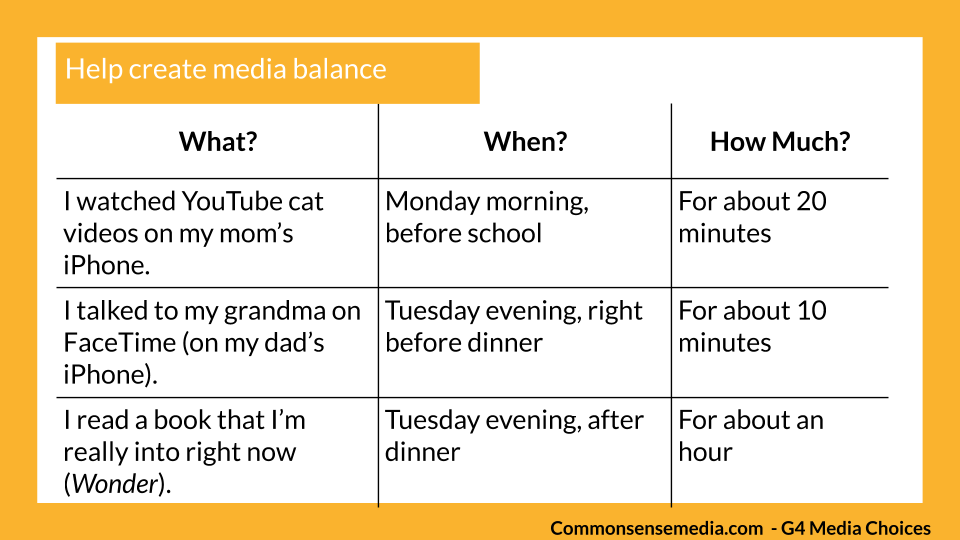
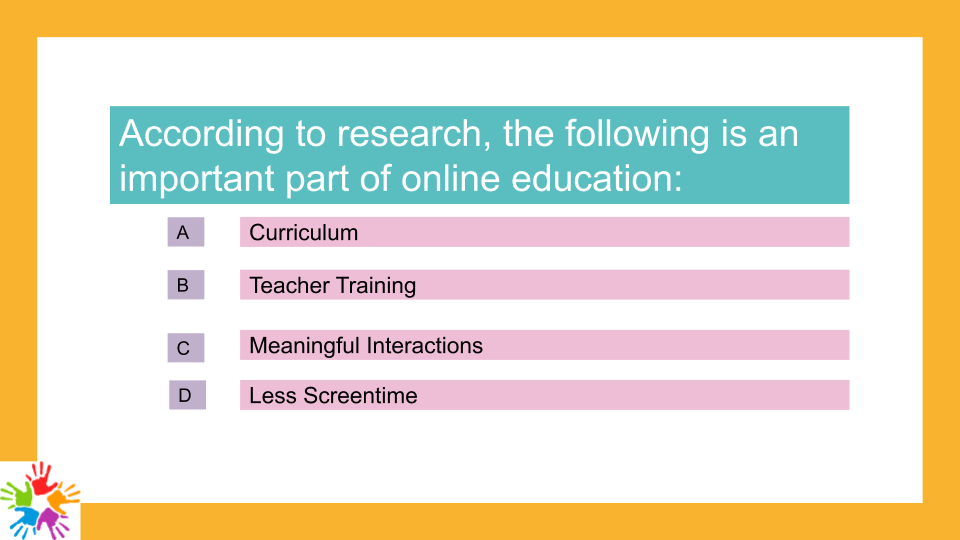
Online learning has different set of norms and routines that learners need to become familiar with. For instance, muting or un-muting microphones and video. Or simply, the turning in homework by clicking pictures.
In particular, online learning requires learners to develop new strategies. Secondly, the school community can and should play a role in ensuring the social-emotional well-being of the learner.
In helping parents understand the ideas behind digital citizenship skills and meaningful interactions, I created a simple interactive activity using Google Slides.
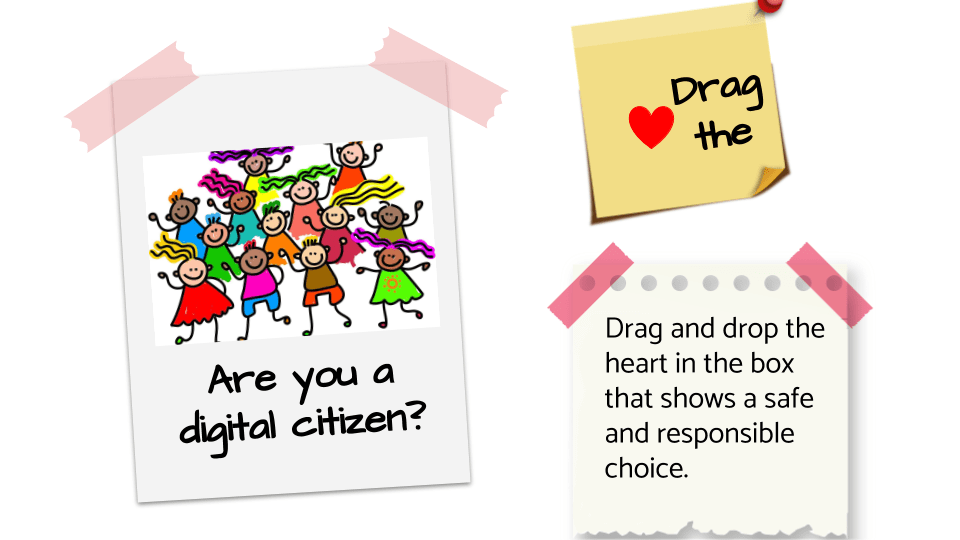
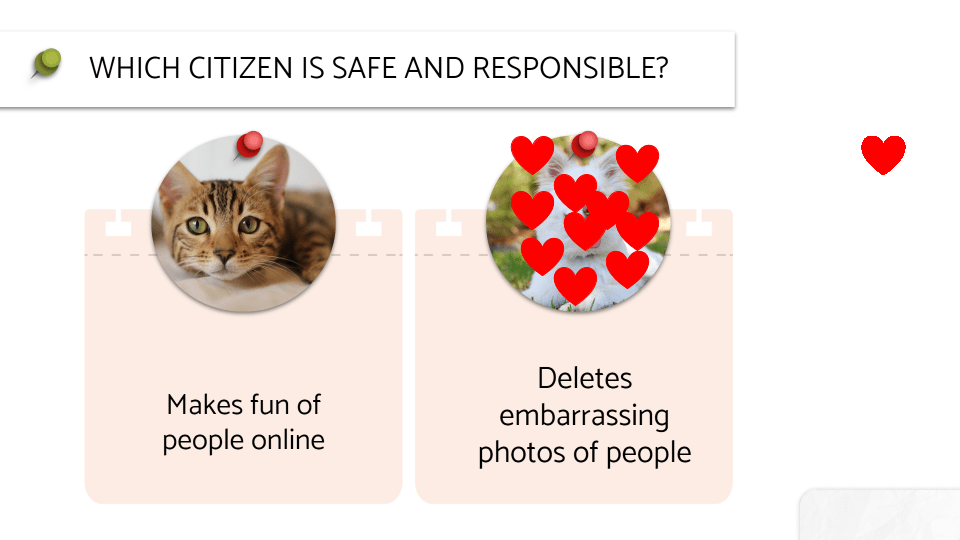
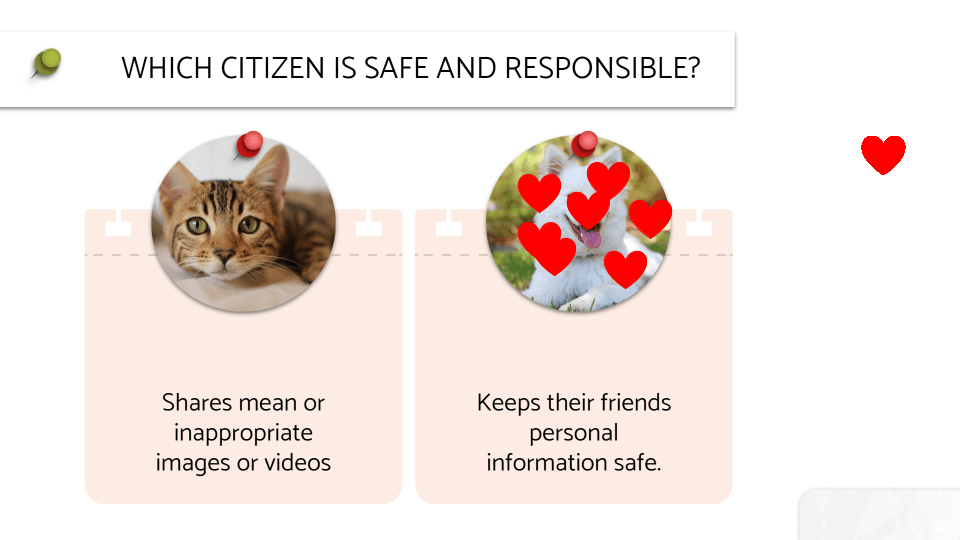
Do try the activity with your kids.
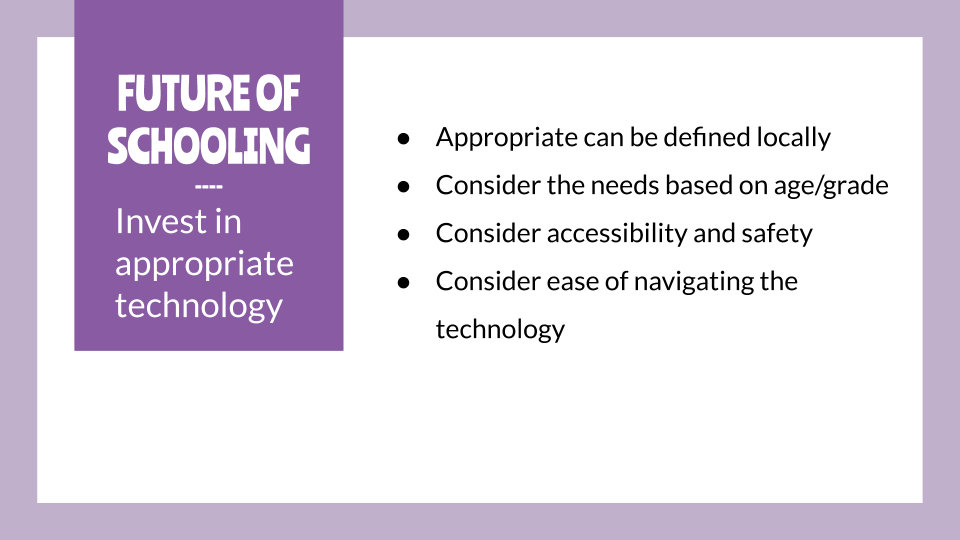
What should we expect from our schools?
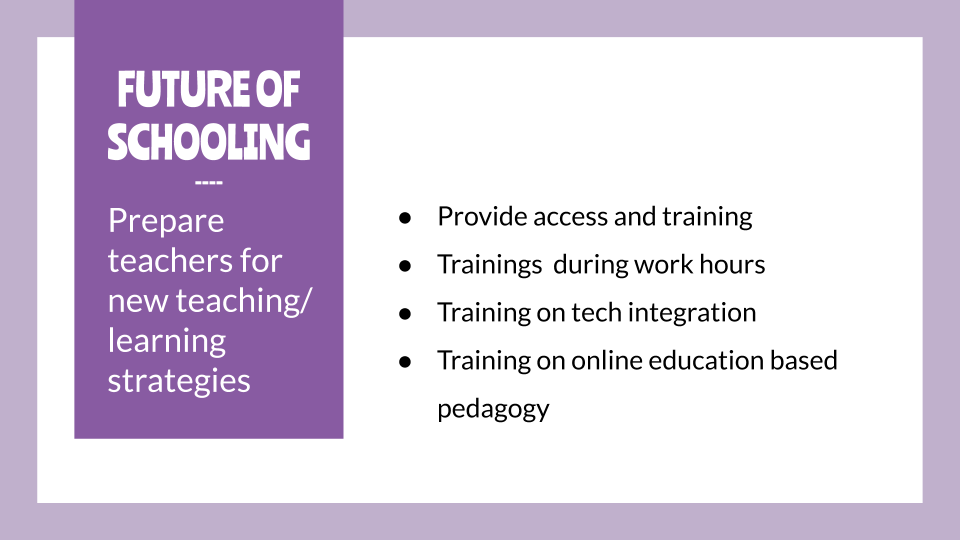
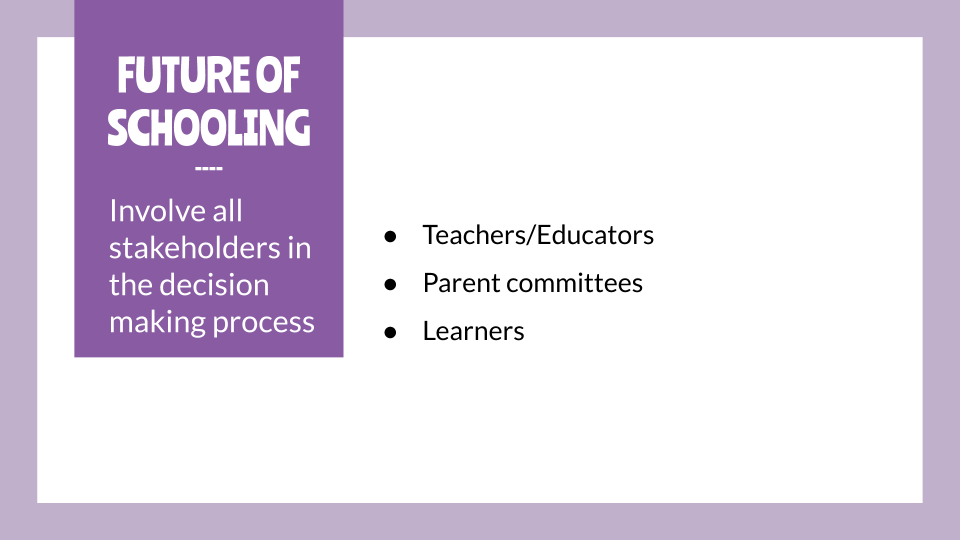
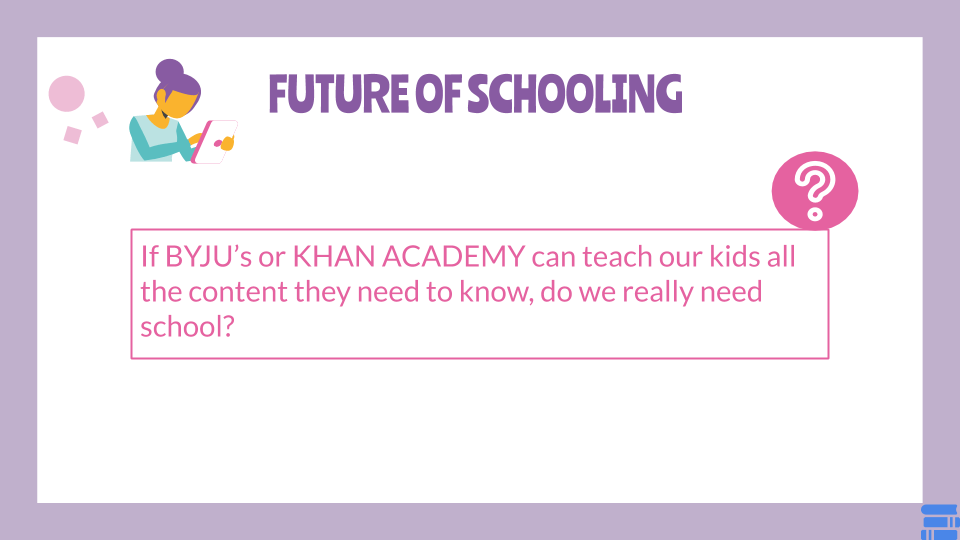
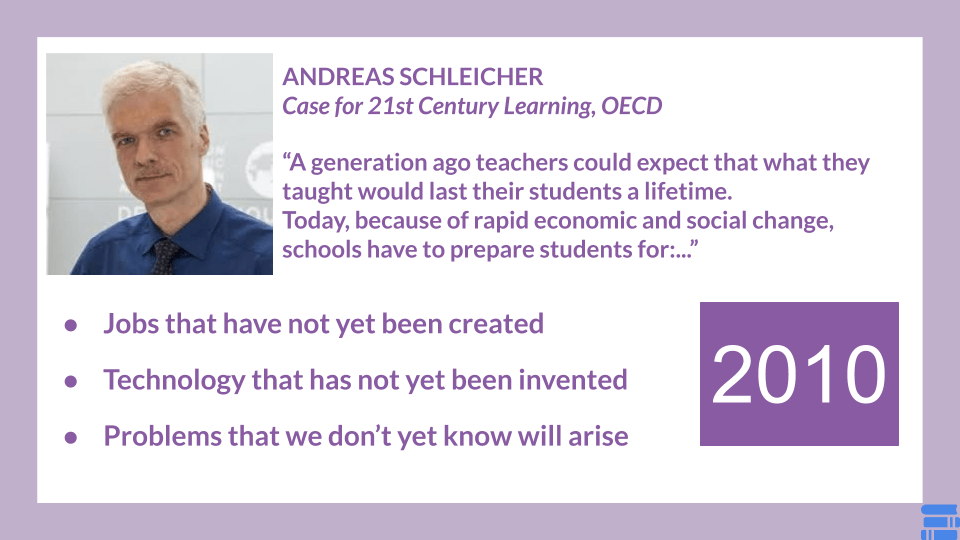
The final segment guides parents to partner with their school. In gaining an understanding of the educational needs of their child, they can begin to ask the right questions and hold the school accountable in finding the right solutions that will suit the need of their student community.
Additional Resources
Throughout the entire slide deck, I have included several additional resources in the speaker notes section. If you are a parent trying to answer these questions for your child, consider these additional resources that will help you choose what is best for your child and your family.
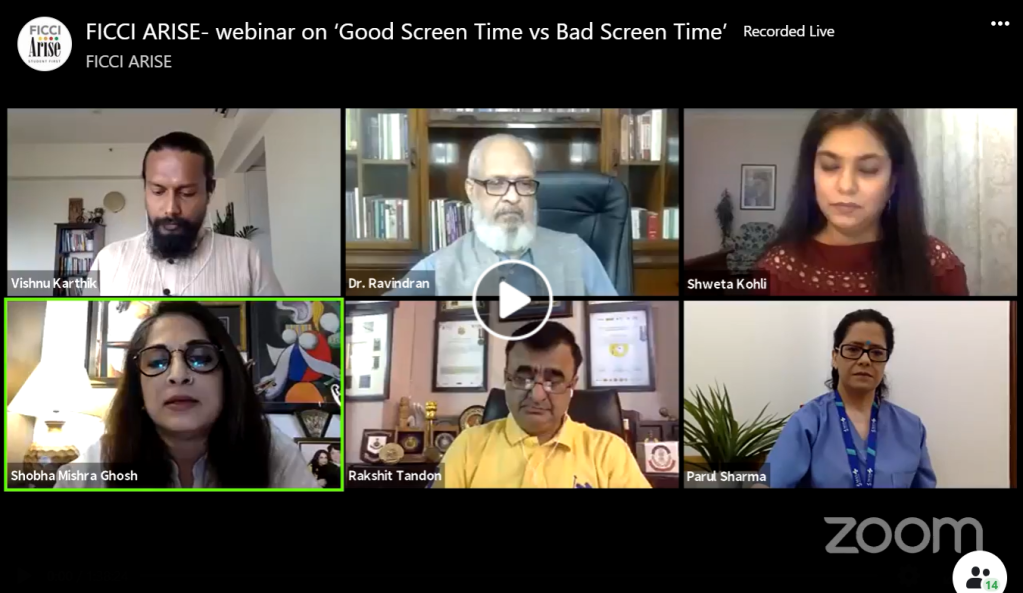
In addition, one of the most informative webinars for parents was conducted by FICCI ARISE. Four experts in education, psychology, cyber-security, and ophthalmology further discuss how parents and schools can help learners continue their education in the current times and the days to follow.
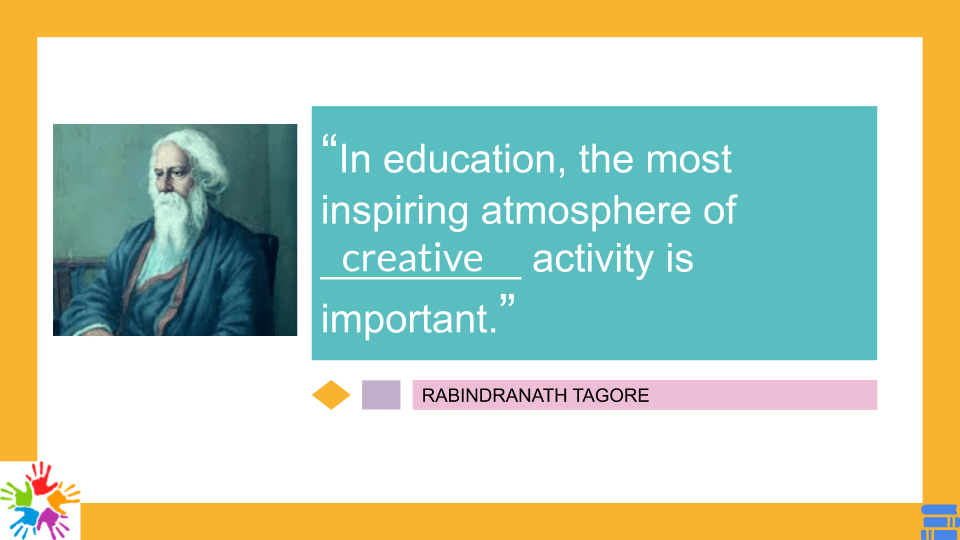
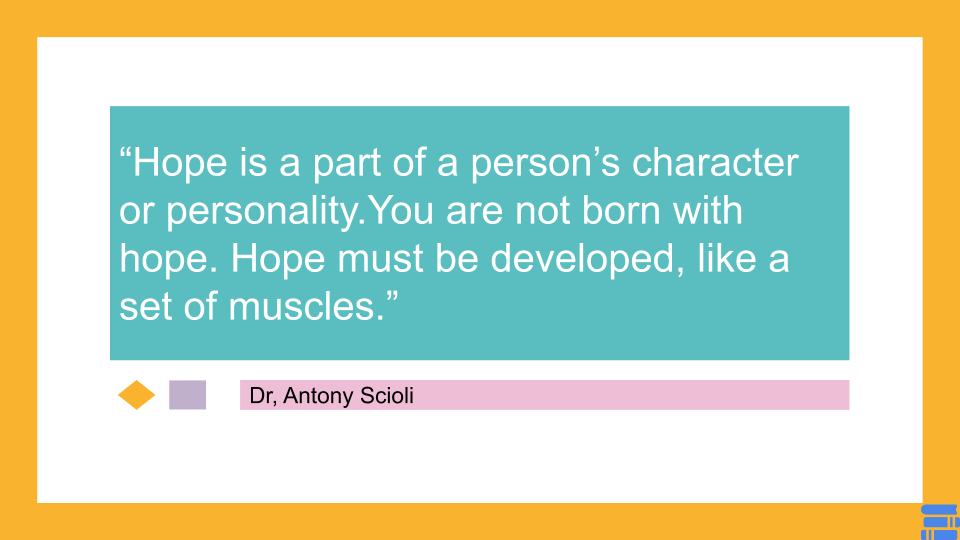
In conclusion, I reflect on the one thing that guides my own work in education – a quote from Antony Scioli, a professor of Psychology and author of Hope in the Time of Anxiety.
“Hope is a part of a person’s character or personality. You are not born with hope. Hope must be developed, like a set of muscles.”
Anthony Scioli
In times of crisis, we have a unique opportunity to demonstrate the ability to remain hopeful, to act out of compassion, and to make informed decisions.
One parent who attended the webinar expressed, “I was able to relate very much,” while another reflected on the need for a separate approach for ” primary, middle, and senior [students].”
Instead of reacting to our fears, we can inform ourselves to guide our actions. I do hope that the information in these pages help you make your next move.
REFERENCES
- Heather Anne (2020, March 24). Homeschooling is NOT the Same as Crisis Schooling: advice during coronavirus COVID -19 shut downs. Retrieved from https://www.heatheranneworld.com/post/homeschooling-is-not-the-same-as-crisis-schooling-advice-during-coronavirus-covid-19-shut-downs
- Project Ummeed (n.d.) Retrieved from http://www.justiceandhope.org/project-ummeed-hope/
- FICCI ARISE (2020, July 4). Good Screen Time Vs. Bad Screen Time [Video]. Facebook. https://www.facebook.com/watch/live/?v=1198585687167946&ref=watch_permalink
- Durairaj, Lydia (2020). Digital Citizen – Justice and Hope Webinar. Retrieved from https://docs.google.com/presentation/d/1weUCx4JihmFtJxa8dd9VMze6NIxkBOJlYo7kH-qjTgQ/copy
- Durairaj, Lydia (2020). Crisis Schooling – Justice and Hope. Retrieved from https://docs.google.com/presentation/d/1jk3xFD8ORseM66BleuyOoeM7ddVGgkBASWDfyFKBvpA/copy

