The spread of COVID 19 being classified as a global pandemic has forced many families to stay at home and avoid large gatherings. Our school made the decision to close early for the summer break, days before the government issued an order, as we were keenly aware of the benefits of “social distancing.”

However, even before we reached home, my son asked if he could be signed up for Summer Camp. That’s when I realized that I had to quickly create a summer camp at home. Also, it would give me a chance to dedicate a couple hours of quality time with the kids.
Here are daily activities for week 1 that will entertain, inform, and educate your middle graders.
DAY 1: WRITING EXERCISE
Prompt: Write instructions for kindergarten kids on how they can stay safe during the spread of COVID-19. But instead of a traditional writing exercise, create a set of 5 or 6 flash cards that the kindergarten student can easily read and lay them out in sequence.
Planning Template: For older learners who are familiar with creating structure and style for their writing, print the planning template to help them organize themselves.
Example: How Can I avoid Risk of Infection Or What is the best way to wash hands properly?
Differentiation: If the learner is unable to write their own instructions, then provide the text from Unicef and then ask them to record themselves to create a video How Can I Avoid Risk of Infection?
DAY 2: PUZZLES
Tangrams: Tangrams are a Chinese geometrical puzzle consisting of a square cut into seven pieces which can be arranged to make various other shapes.
Print the template and have the learner cut and color the puzzle pieces. Each square will create a set of 7 puzzle pieces that can be rearranged to form patterns.
Create patterns: Three patterns are given to you but you can find many more on the Tangram Channel.
DAY 3: KITCHEN SCIENCE
My favorite kitchen science project on a hot day is Making Ice Cream in a Bag. With easy ingredients found in most kitchens, this project is fun and delicious! The ingredients you need are sugar, milk, whipping cream (heavy cream), and vanilla. To make the ice cream freeze you need a large (1 gallon) zipper-top bag, ice, and rock salt. Other items you will need are kitchen thermometer (optional), measuring cups and spoons and cups and spoons for eating your treat!
To learn the science behind this watch The Sci Guys.
DAY 4: MATH LAB
Can you guess the next three numbers in the following sequence:
0, 1, 1, 2, 3, 5, 8, ___, ___, ___.
If you did, you just solved the Fibonacci Sequence. This is not just a series of numbers or a puzzle, but is used my Mathematicians and Artists in their work. The reason it is used a lot is because it is also found in nature! Like a pine cone or musical notes.
Task 1: Here are some videos you can watch to learn more about the Fibonacci Sequence:
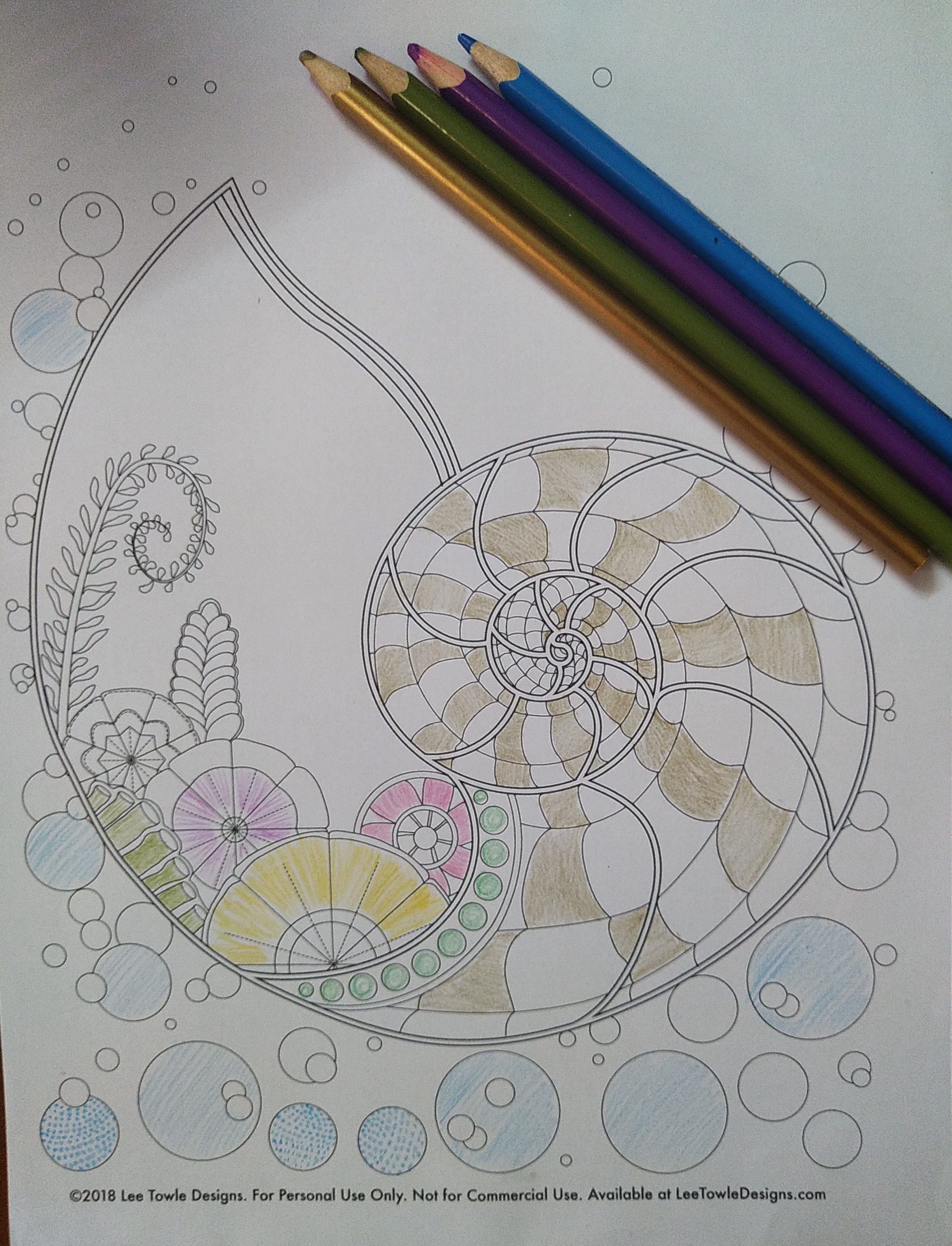
Task 2: Designer and artist Lee Towle has created many designs that demonstrate the Fibonacci pattern. Print the free doodle coloring sheet or create one of your own. Follow the instructions on the three-part series on Fibonacci doodles by Khan Academy
Task 3: Watch the two videos that explain Fibonacci pattern in music
DAY 5: GLOBAL PERSPECTIVES
At the beginning of the last academic year, I was introduced to Cambridge’s Global Perspectives curriculum that engages learners with various global issues as seen through different lenses. The curriculum covers nearly 24 global issues and one of them is disease and health.
Task 1: You will investigate the source of a (fictional) disease. Click on the link and complete the investigation of Dizzy Fever. If it does not open, ensure that the Privacy and Security section of your browser settings in allowing Flash.
Task 2: Watch the video to understand more about pandemics and the spreading of diseases: https://ed.ted.com/on/M3rL7ygp
OTHER THINGS TO DO:
- Workout: Have a dance party for half-an-hour. Bring your whole family together and get moving!
- Play Board Games or create your own game.
- Join or create an online book club.
Here are my recommendations for this week:
- The Andromeda Strain by Michael Crichton – In this biomedical thriller, for five days, American scientists struggle to identify and control a deadly new form of life. (Science fiction)
- The Boys in the Boat by Daniel James Brown (adapted for young readers) – This is the true story of an American team’s triumphant and unlikely win during Hitler’s 1936 Berlin Olympics. (Nonfiction)
- The Crossover by Kwame Alexander – Josh and Jordan must come to grips with growing up on and off the court to realize breaking the rules comes at a terrible price, as their story’s heart-stopping climax proves a game changer for the entire family. (Realistic Fiction)
I hope you get to try some of these activities. Share your success stories and ideas so that we can all enjoy during our time home.

